When Technology Learns to Be Calm
Long before dashboards and AI copilots, Mark Weiser asked what technology should feel like when it truly serves people. That question still defines what’s missing today.
 Tinica Walker
Long before dashboards and AI copilots, Mark Weiser asked what technology should feel like when it truly serves people. That question still defines what’s missing today.

Most organizations still treat workflow optimization as a tooling problem. But you can’t optimize what you can’t sense — and workflows break long before metrics do.
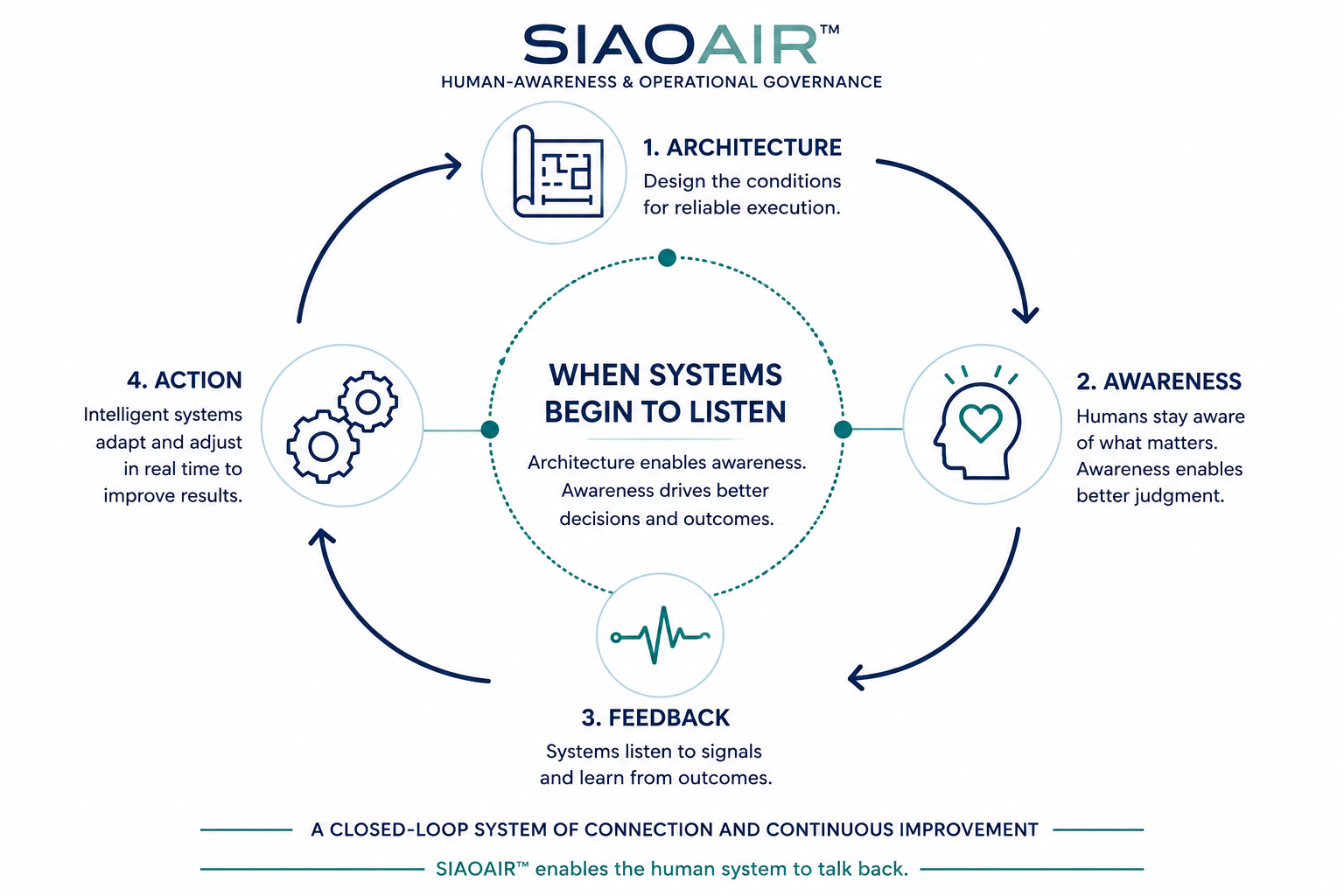
A nurse stretches across one more patient. A teacher carries a full classroom on empty. What happens when the systems around them start to notice?
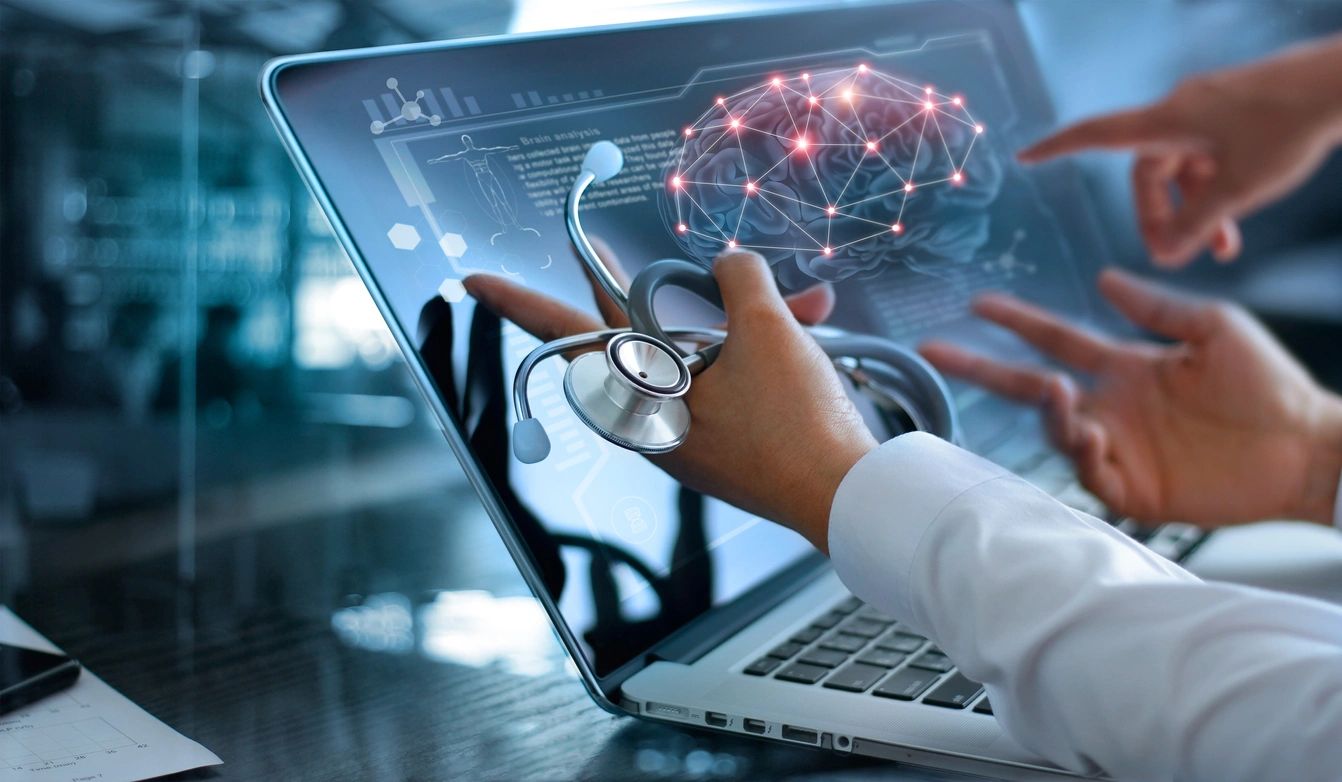
Microsoft’s mission was never just about technology — it was about human potential. That idea, carried forward, became the founding premise of SIAOAIR.

Technology has scaled with astonishing speed, but one thing has gone consistently unmeasured: the human cost behind it.
When systems are built to maximize output without safeguards, people absorb the cost — exhaustion, disengagement, and trillions in lost productivity.

Bloomberg’s Longevity conversation with David Rubenstein is reframing how we think about extending life. SIAOAIR builds on that momentum across healthcare, work, and everyday life.

Infrastructure has long known how to monitor machines — utilization, latency, failure prediction. One dependency has stayed largely invisible to that instrumentation.
CNN calls it a “vibe shift.” MIT reports most generative AI pilots fail to deliver returns. That’s not decline — it’s a correction toward what actually endures.