Human-Centered AI Must Become Human-Aware at Runtime

Human-centered design establishes the intention. But what happens when the human supplying judgment becomes the constraint the system cannot see?

Arguments, positions, and points of view on where AI, governance, and human systems are heading — and what organizations should do about it.
Human-centered design establishes the intention. But what happens when the human supplying judgment becomes the constraint the system cannot see?
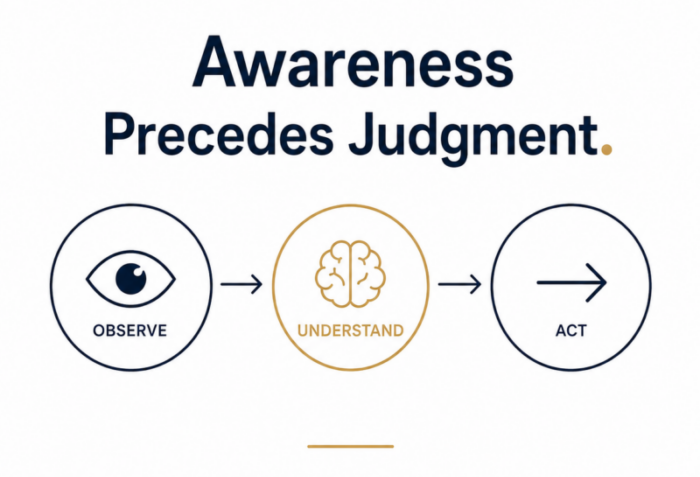
Organizations often interpret reactivity as a performance issue. More often, it is an observability issue — one that begins the moment judgment precedes observation.
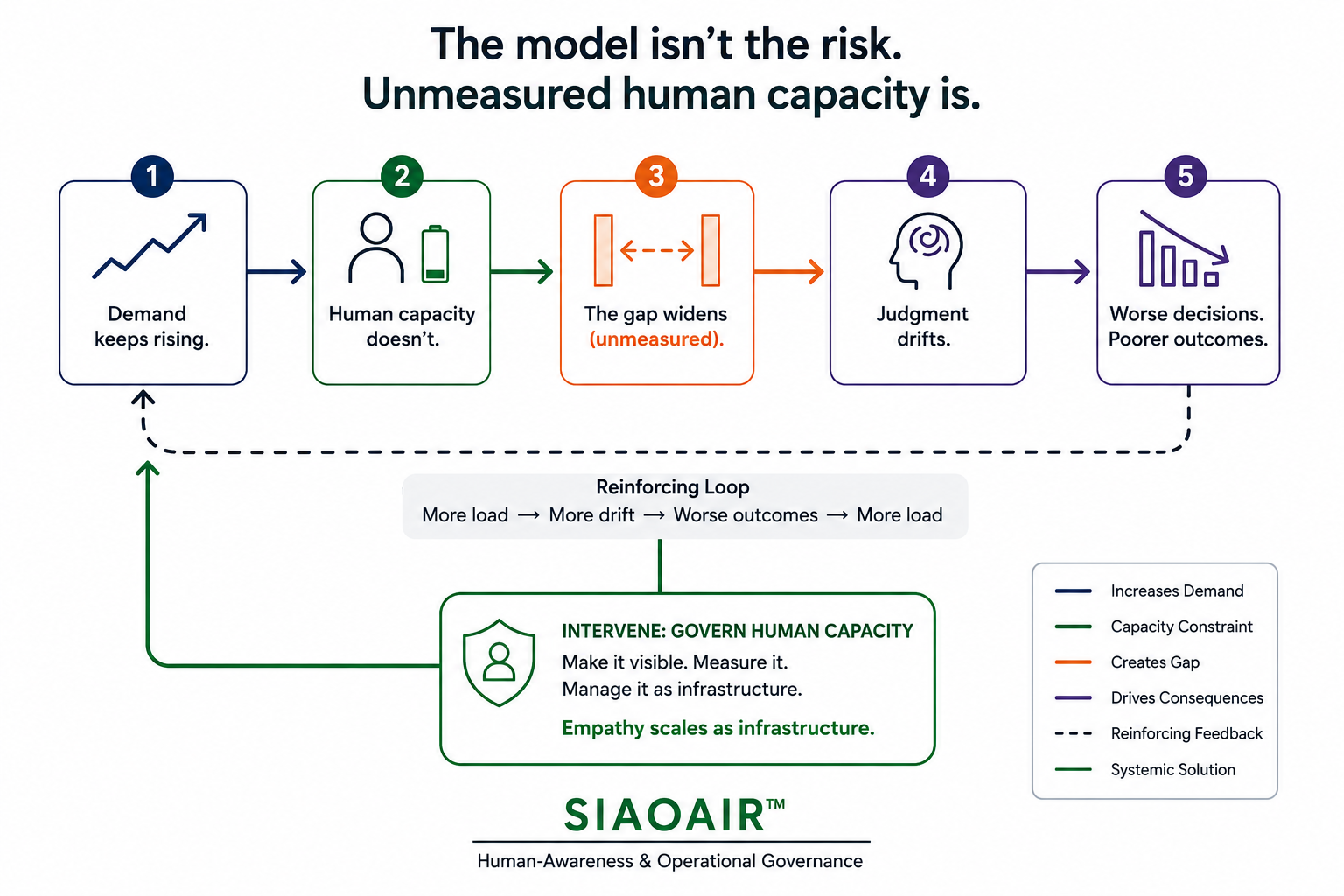
Empathy does not scale as a trait. It scales as infrastructure — the mechanism by which systems remain aligned with human capacity.
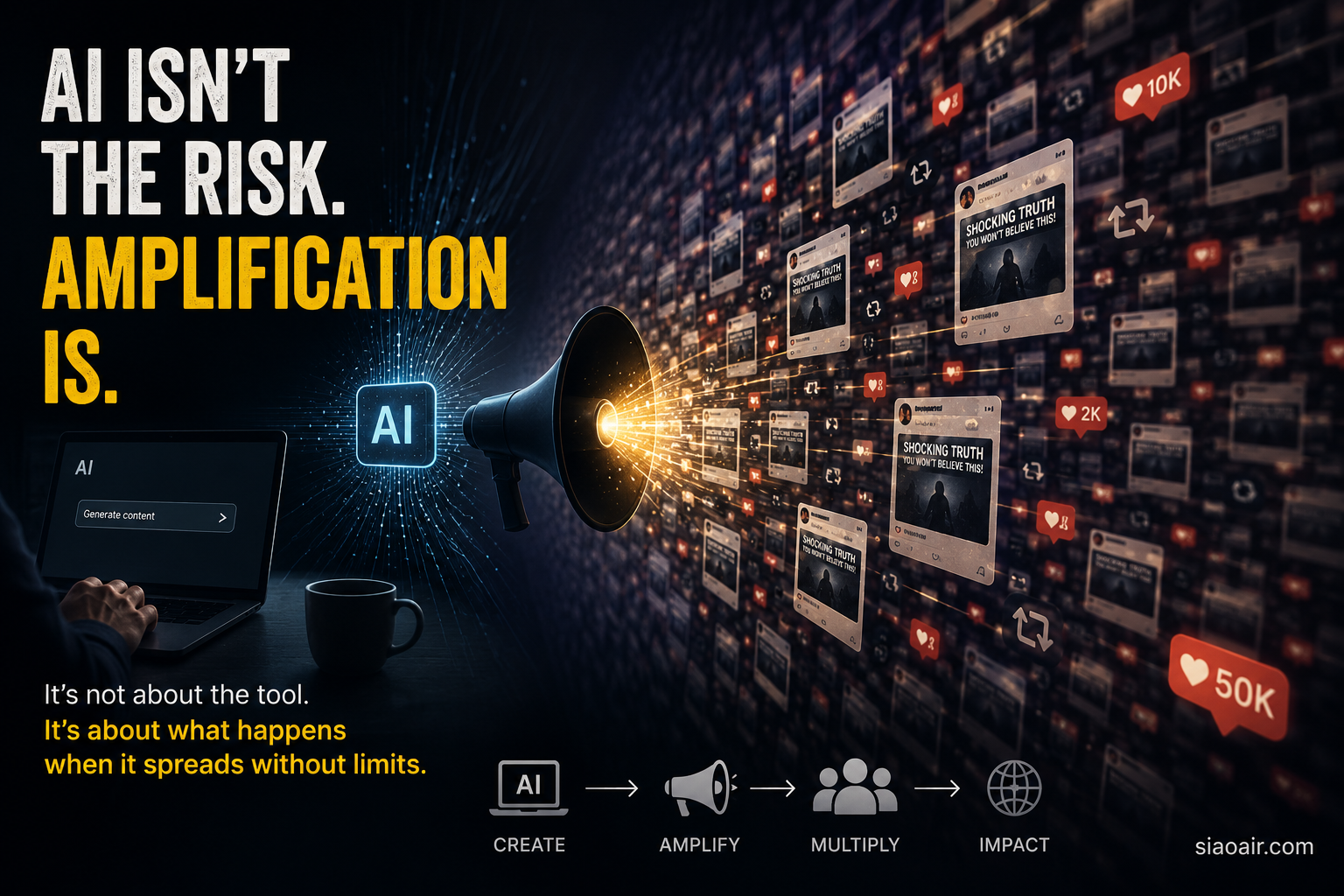
AI is not introducing new risk. It’s amplifying what was already there — and without constraint, amplification turns small weaknesses into systemic failures.

Every system eventually reveals its weakest constraint. In modern systems, that’s rarely compute or automation — it’s the human system.

APIs exchange signals constantly, but the earliest indicators of failure aren’t found in logs. They’re found in people — in strain, fatigue, and disengagement.

Most organizations still treat workflow optimization as a tooling problem. But you can’t optimize what you can’t sense — and workflows break long before metrics do.
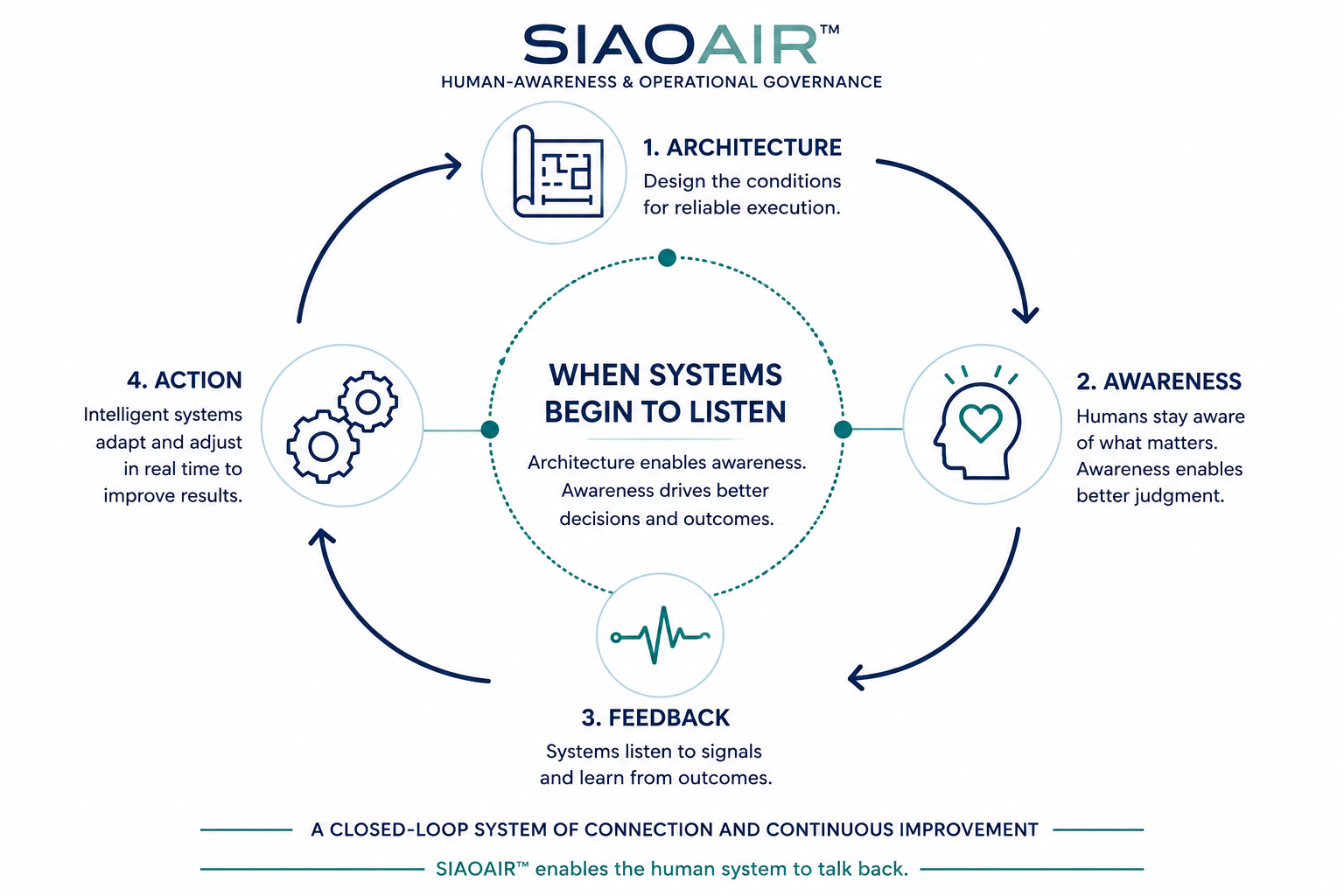
A nurse stretches across one more patient. A teacher carries a full classroom on empty. What happens when the systems around them start to notice?

Microsoft’s mission was never just about technology — it was about human potential. That idea, carried forward, became the founding premise of SIAOAIR.

Technology has scaled with astonishing speed, but one thing has gone consistently unmeasured: the human cost behind it.